
Capabilities
Defined scopes. Coordinated when the facility needs more than one.
Below is what ATL performs, written the way it appears on a scope sheet. If a scope you need is not listed, ask — we will tell you plainly whether it is work we hold or work we would coordinate.
ATL Construction
Commercial renovation and building modification work delivered inside occupied and active facilities.
Interior construction, building modifications, site work, and construction management with direct coordination of the trades on the floor.
Scope list
- Commercial renovations and tenant improvements
- Building modifications and structural alterations
- Interior construction, finishes, and specialties
- Site work and exterior improvements
- Construction management and trade coordination
- Phased work in occupied buildings
ATL Facilities
Recurring support that keeps a building operating between capital projects.
Preventive maintenance programs, corrective repairs, custodial and grounds support, and response capacity when a building has an urgent problem.
Scope list
- Preventive maintenance programs
- Facility repairs and corrective work orders
- Janitorial and custodial support
- Grounds and exterior maintenance
- Emergency response support
- Logistics, moves, and material handling
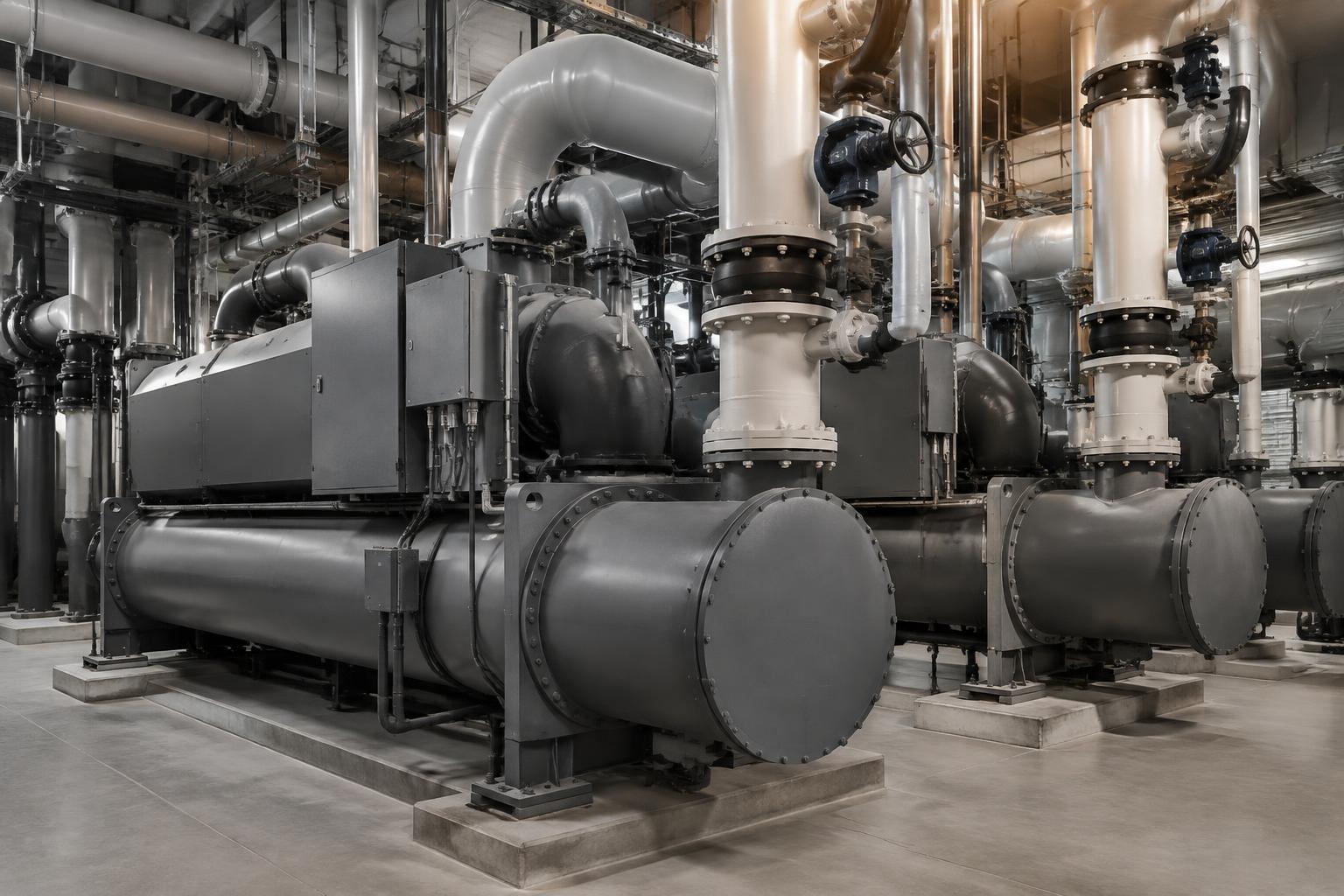
ATL Mechanical
Mechanical systems work, from equipment replacement through commissioning support.
Commercial HVAC and chilled water systems, mechanical piping, building controls, and the startup work that proves a system performs.
Scope list
- Commercial HVAC service and installation
- Chillers and central plant equipment
- Mechanical and process piping
- Building automation and controls
- Equipment replacement and retrofits
- Startup, testing, and commissioning support
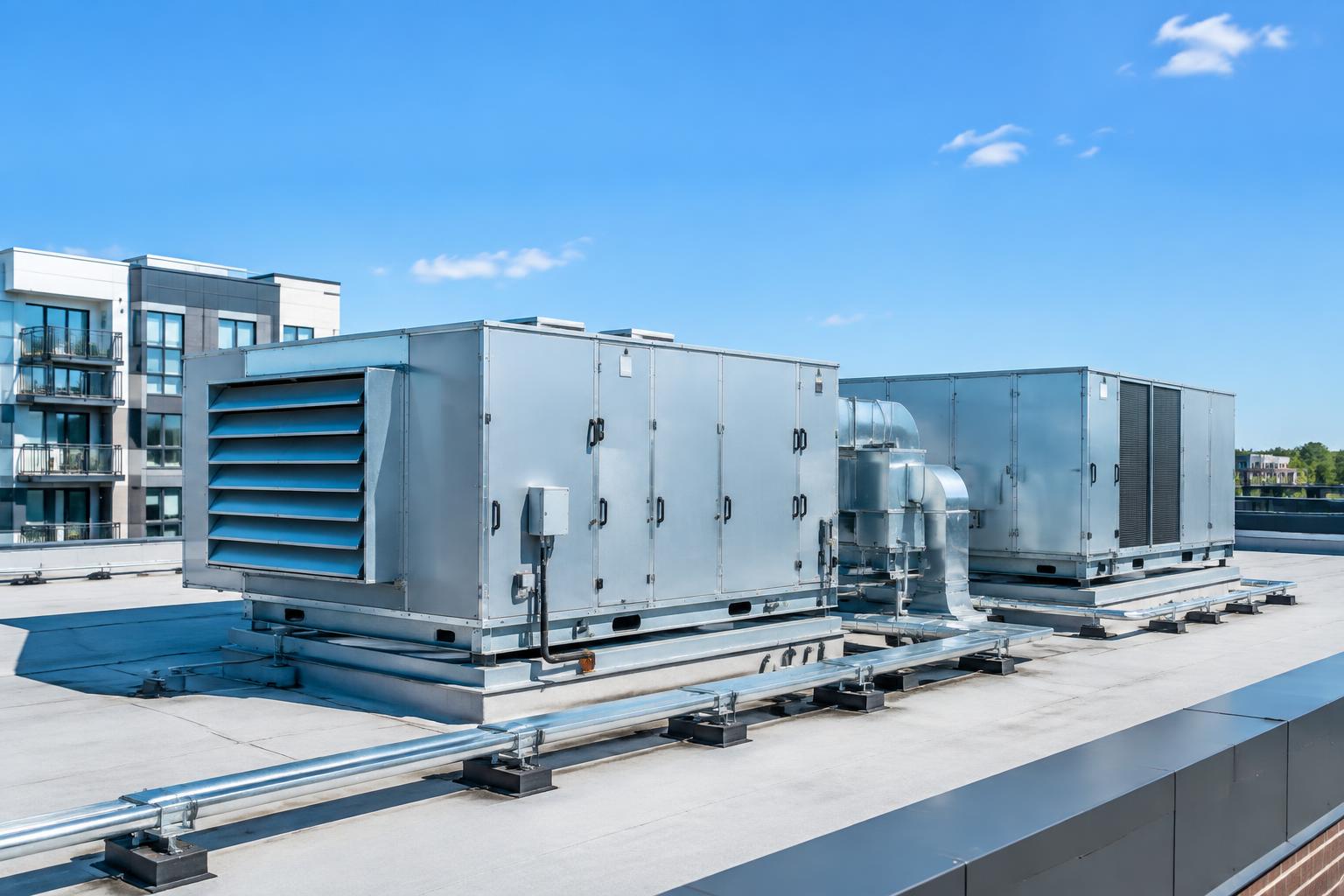
Preventive HVAC maintenance
Planned maintenance for property managers and building owners.
Recurring HVAC maintenance programs for commercial buildings and residential complexes, built around the realities of property management: occupied units, tenant comfort, budget cycles, and equipment that has to last.
- Commercial and office properties
- Multifamily and residential complexes
- Property management portfolios
Scheduled preventive visits
Filter changes, coil cleaning, belt and bearing checks, refrigerant and electrical inspections — on a calendar you can plan around, not after a failure.
Multi-site and portfolio coverage
One program across several buildings or complexes, with consistent reporting so ownership sees the same picture at every property.
Equipment condition reporting
Documented findings after each visit: what was serviced, what is wearing, and what to budget for before it becomes an emergency call.
Repair and replacement coordination
When a unit is beyond maintenance, we scope the repair or replacement and schedule it around tenants and occupancy.
How the work runs
The same execution sequence on every scope.
- 01
Understand the scope
We review drawings, specifications, site conditions, and constraints, then confirm what is included, what is excluded, and what is still unresolved.
- 02
Plan the work
We build a sequence that fits the building's operating reality: access windows, shutdowns, phasing, long-lead equipment, and manpower.
- 03
Coordinate execution
One point of contact holds the schedule across our scopes and coordinates with the GC, other trades, and facility staff as the work proceeds.
- 04
Document completion
Work closes out with verification the client can file: punch resolution, startup and test records, as-builts, and turnover documentation.
Next step
Send the scope. We will confirm what we can hold.
Send a scope, a drawing set, or a description of the problem. We will confirm what we can cover, what we need to price it, and when we can be on site.